THAT Studio x Altimeter Design
2021
Work from Wherever
A return-to-office kit to blur the line between the digital and physical office space.
Overview
The Work from Wherever kit (WFW) is a discursive project focusing on transitioning back into an office environment from working remotely due to the COVID-19 pandemic. After the quarantine lifted, companies started requesting to return to an in-office setting after nearly two years of working from home. However, going back to ‘work as usual’ did not come naturally for most, and many conversations began about what being in-person meant moving forward after such an impactful event.
The Work from Wherever kit was a response to this topic. The WFW objects serve as a collection of artifacts adopted in our digital meeting environments and translated into physical objects for people to use to help transition back into office spaces.

Problem
How do we capture this moment in time when we are beginning to move back to an in-person work setting? What will we want to take with us from the digital working space?
Research
Guiding questions:
“What kinds of artifacts from remote work due to COVID will be adapted to the traditional in-office work environment? What will we gain? What will we lose? How will the remote culture transfer and what will it look like?”
Identifying what was kept and what was lost in the translation to remote working
The COVID pandemic was the first time for many to experience working remotely and adapting to a nontraditional work environment. For this transition, qualities and habits were found or discarded as they were no longer needed or applicable to the “new normal” people were living in. We first mapped what was taken from the in-person office and how those objects and habits were reimagined in the remote work setting.

Artifact Inspiration
Based on the digital features we have adopted while working remotely, the Altimeter team conceptualized and designed six objects that translated these digital tools into physical office trinkets.

Ideation
Translating the Digital Experience into Physical Interactions
Led by Pentagram designer Irina Wang, the branded direction for Work from Wherever was inspired by translating digital ‘monuments’ or identities into the physical. The color palette comes from the largely primary and secondary color palettes used in applications most commonly used in work culture, and then recalibrated for a more natural hue.
Looking at physical ways of making, such as traditional woodtype, the forms of letters were analyzed to capture their most identifiable features, such as serif forms and exaggerated heights, then reapplied into the digital space with more even widths across the full letter.
Strategic branding for an opportunity to emphasize translation

Sketching and model making

Designs
Physical Presence: The WFW Kit
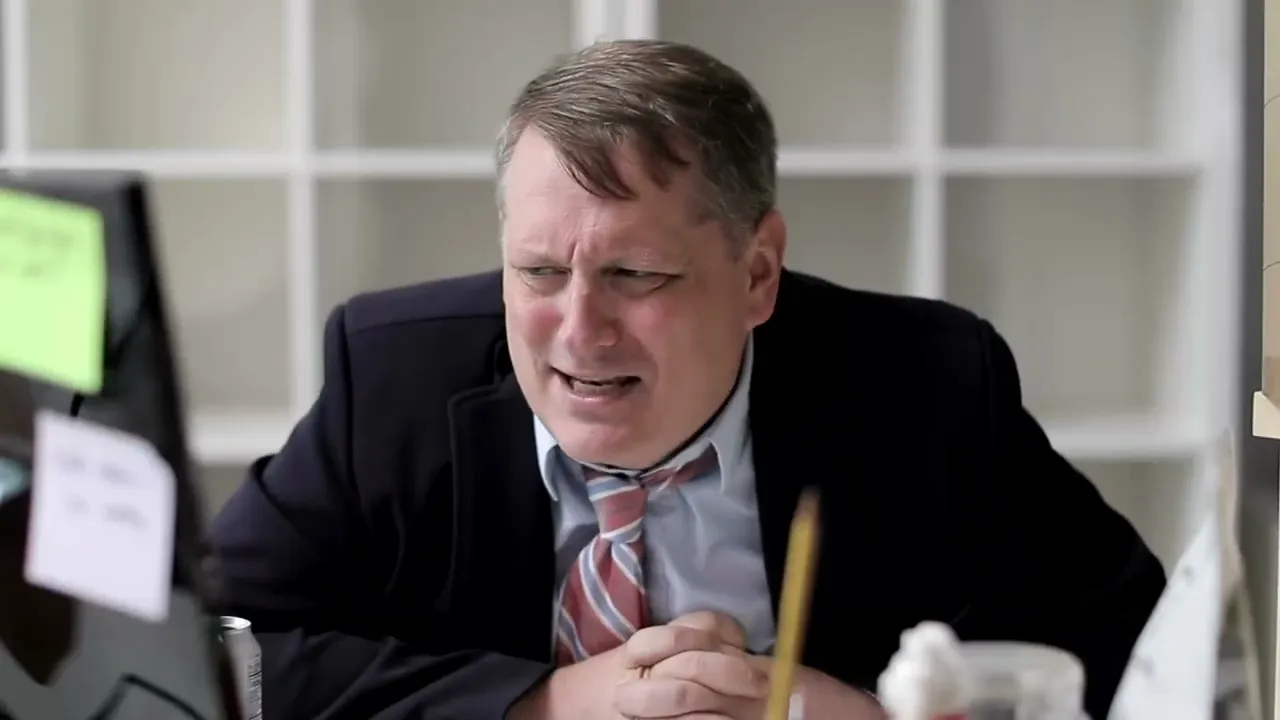
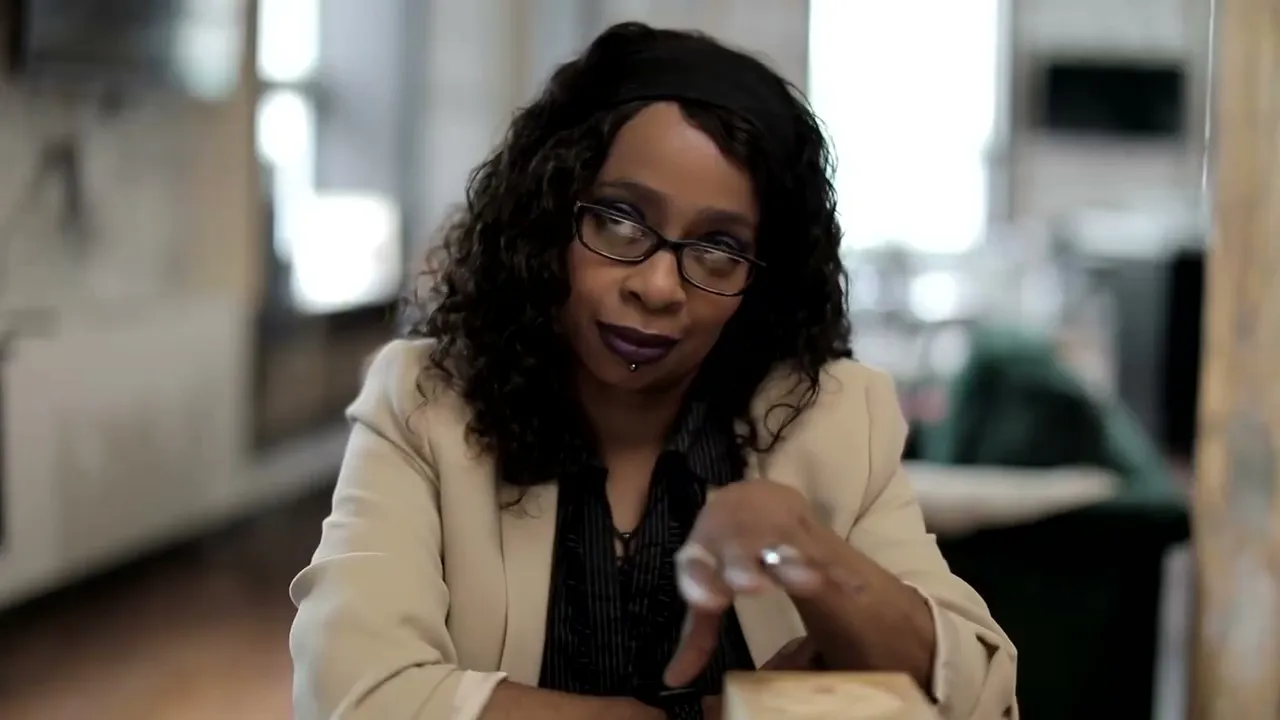
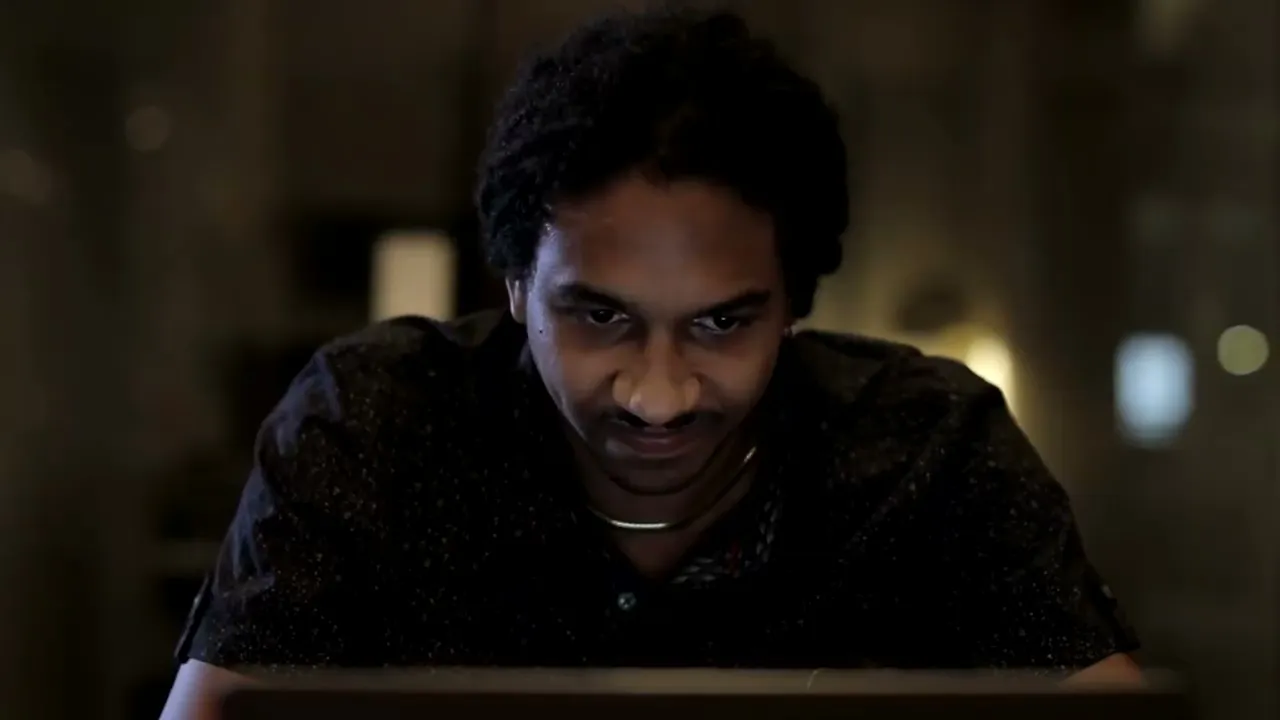
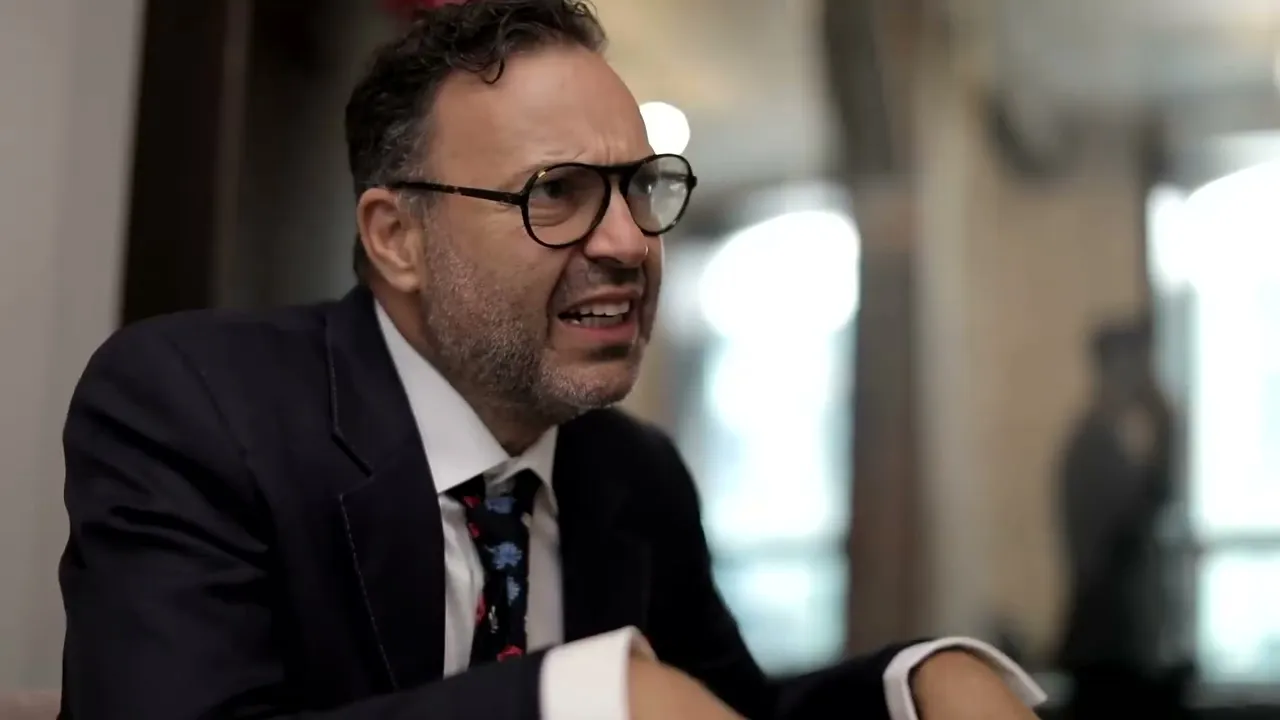
To launch the WFW product line, we created a series of ads that show how the products work and add to the conversation about what working back in the office would look like, using a comedic/satirical lens.

Media Presence: Video Campaign
To launch the WFW product line, we created a series of ads that show how the products work and add to the conversation about what working back in the office would look like, using a comedic/satirical lens.
Digital Presence: NFT Collection
To launch the WFW product line, we created a series of ads that show how the products work and add to the conversation about what working back in the office would look like, using a comedic/satirical lens.

Mass Production and Online Store
The kit has been produced by U.S.-based manufacturers using materials such as cherry wood veneer, concrete, brass, and poplar wood. The project's mission to translate digital concepts into physical objects through natural materials, while also supporting domestic manufacturing, guided these material choices.
These objects are available to purchase on Altimeter Design’s website.

Reflection
The kit, the campaign, and the outcomes
This experience taught me a lot about how production constraints create opportunities to improve the design itself. An example of this is the Mute Button, which had several iterations of multiple materials before the final, a simplification with only 1 material and an experience that mimics a gavel, which transforms the experience for the user.
The collaboration with THAT Studio was a wonderful opportunity to see behind the curtain of how a full marketing campaign was formed and the assets created.
This product was not intended for mass adoption but as an artifact to have the conversation around what post Covid will we be bringing back to the office.


